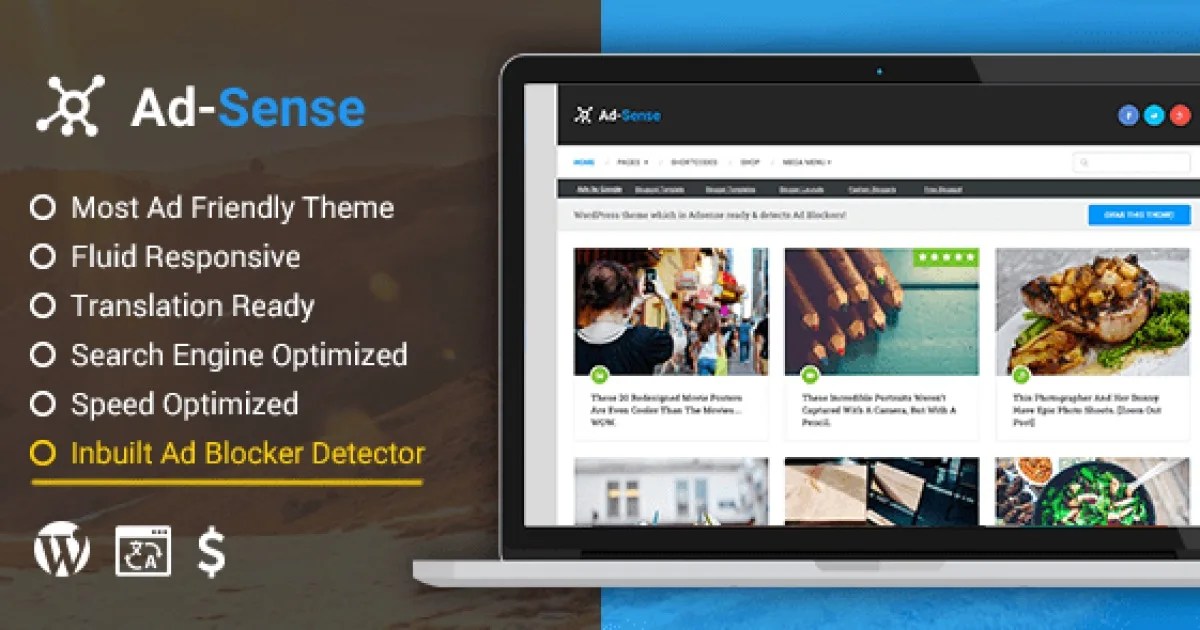
Ad-Sense WordPress Theme
Classima Classified Ads WordPress Theme builds ad listing and directory platforms with ad posting workflows, monetization, and multi-category search for WordPress developers.
- Daily automated updates
- VirusTotal 0/70 clean
- Licensed under GPL
- Secure 256-bit checkout
- Instant direct cloud link
What Is Classima Classified Ads WordPress Theme?
Classima Classified Ads WordPress Theme is a WordPress-based theme, engineered for agencies and independent developers to build classified advertisement and directory listing platforms without writing a custom listing engine from scratch. It resolves the core architectural bottleneck of classified portals: structuring ad post types, category hierarchies, seller profiles, and location-based query filtering within standard WordPress data layers. In production, it serves as the front-end and listing management layer for monetized ad marketplaces running on a self-hosted WordPress installation.
Key Features of the Theme
Classima executes through custom post types and taxonomy structures that register ads, categories, locations, and pricing fields as first-class WordPress data objects, then renders them through template hierarchy overrides and frontend submission forms that write directly into the WordPress database.
Architectural Highlights
- Custom Listing Post Types and Taxonomies: Ads, ad categories, locations, and custom fields are registered as dedicated WordPress objects, enabling structured queries rather than generic page content, with filtering logic operating on taxonomy and meta queries server-side.
- Frontend Ad Submission Flow: Registered users post, edit, and manage listings from the front end, removing the need to grant dashboard access to sellers and keeping the editorial surface separated from user-generated content.
- Monetization Architecture: The theme supports paid listing plans and featured ad promotion, routing revenue-generating states (regular, featured, top) through listing metadata that controls render priority and visibility duration.
- Location and Category-Based Search: Search widgets combine keyword, taxonomy, and location parameters into compound WP_Query execution, returning filtered result sets on archive templates.
- Elementor Page Builder Integration: Landing pages, category archives, and detail templates are assembled through Elementor widgets bound to the listing data layer, so layout changes do not require template file edits.
For agencies pairing classified portals with editorial or viral content funnels, the same listing-taxonomy discipline appears in BoomBox Viral Magazine WordPress Theme, which structures high-traffic content delivery with sharing mechanics and ad slots.
Who Should Use This Theme?
This codebase fits WordPress developers and small agencies delivering client classified portals, local business directories, regional marketplace builds, or multi-city ad platforms where listing lifecycle management is the primary requirement. It assumes comfort with WordPress template hierarchy, custom post types, and plugin-based monetization workflows. Teams running headless or API-first architectures will find limited fit, since the theme’s value concentrates in its server-rendered templates and built-in submission flows. Non-technical operators expecting pixel-perfect output without configuration of listing fields, pricing plans, and taxonomy structures will need developer involvement during deployment.
Compatibility & Runtime Requirements
The theme operates inside a standard WordPress core environment with defined plugin dependencies that supply its listing engine.
| Engineering Metric | Deployment Specification |
|---|---|
| Base Technology | WordPress Theme (PHP template hierarchy) |
| Runtime / Language Baseline | PHP runtime per standard WordPress Core Environment |
| Parent Ecosystem Dependency | WordPress Core; companion listing plugin bundled by the vendor |
| Page Builder Layer | Elementor integration for layout assembly |
| Data Layer | MySQL via native WordPress database and meta tables |
| Protocol / Data Formats | Standard WordPress REST/AJAX endpoints for frontend interactions |
Real-World Use Cases & Implementation
Three production scenarios illustrate where this architecture resolves distinct operational bottlenecks. First, a regional marketplace: developers register city and state taxonomies, then bind search widgets to compound taxonomy-meta queries so buyers filter listings by location and category in a single request. Second, a monetized ad portal: pricing plans are configured so each submitted listing carries a plan identifier in its metadata, and the render layer promotes featured entries above standard results for a defined validity window. Third, a hybrid directory-plus-publisher build: listing archives handle classified inventory while a companion editorial theme manages content traffic; in such builds, agencies frequently pair this theme with LeadEngine Multi-Purpose WordPress Theme with Page Builder on adjacent landing and campaign pages, keeping commercial funnels decoupled from the listing engine.
Frequently Asked Questions
Does Classima support multi-city classified deployments out of the box?
Yes. Location is implemented as a taxonomy bound to each listing, so multi-city filtering, per-location archives, and location-scoped search run through standard WordPress taxonomy queries without custom database schema changes.
Can sellers manage their own listings without WordPress admin access?
Yes. The theme ships frontend dashboard templates where registered users submit, edit, renew, and delete ads, isolating seller workflows from the WordPress admin and protecting editorial roles from user-generated content.
Are demo layouts importable during deployment?
Yes. One-click demo import provisions preconfigured pages, listing fields, and Elementor templates, letting developers replace placeholder content with live categories and locations before go-live.