Travivu Theme – Travel & Tour Booking WordPress Theme
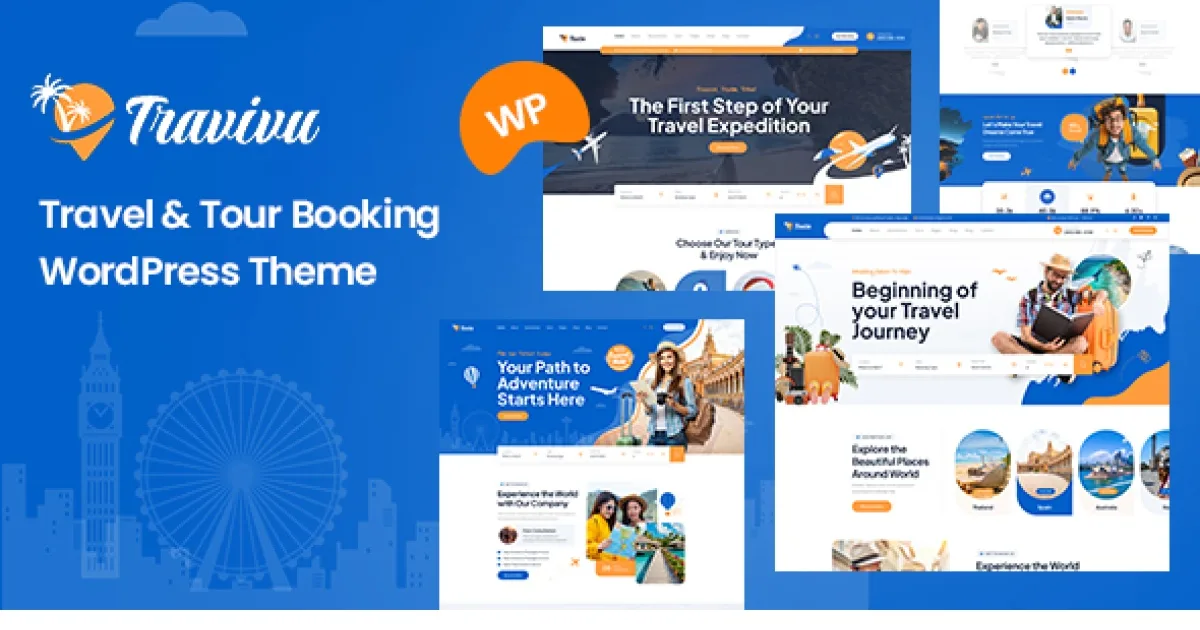
Travivu Travel Tour Booking WordPress Theme is a tour operator codebase with booking-ready templates, demo layouts, and Elementor page building for agencies.
- Daily automated updates
- VirusTotal 0/70 clean
- Licensed under GPL
- Secure 256-bit checkout
- Instant direct cloud link
What Is Travivu Travel Tour Booking WordPress Theme?
Travivu Travel Tour Booking WordPress Theme is a PHP/WordPress theme package, engineered for travel agencies and tour operators to publish itinerary-driven booking websites on the standard WordPress stack. It resolves the structural bottleneck of assembling tour catalogs, destination pages, and reservation flows from generic multipurpose templates by shipping pre-architected travel layouts and booking-oriented page structures. In production workflows, the package functions as the presentation layer of an agency site, delegating reservation logic to the WordPress plugin ecosystem and payment gateways the operator connects to it.
Key Features of the Theme
The theme executes through the native WordPress template hierarchy: incoming requests resolve against dedicated tour, destination, and archive templates, which assemble content from custom post structures and hand rendering off to a bundled page builder integration.
Architectural Highlights
- Tour-oriented template set: Dedicated homepage demos, tour listing grids, single-tour detail layouts, and destination pages are registered as discrete template files, letting developers map booking categories to specific layouts without rebuilding markup from scratch.
- Page builder composition: Layout sections are built as modular blocks, so teams can reorder hero sliders, itinerary lists, pricing tables, and testimonial carousels by dragging modules instead of editing hardcoded PHP sections.
- Reservation flow scaffolding: The theme ships booking-facing interfaces and forms that pair with WordPress booking plugins; to run the actual availability engine, pricing rules, and channel calendars, agencies typically extend the stack with Hotel Booking System for WordPress, which supplies iCal sync, multi-room inventory, and WooCommerce gateway routing behind the theme’s front-end.
- Responsive viewport handling: Grid and listing components collapse across mobile breakpoints through the stylesheet layer, keeping tour cards and search panels legible on low-width devices without a separate mobile theme.
- Commerce-ready checkout surface: Tour packages can be wired into WooCommerce cart and checkout templates, so payment capture, order records, and confirmation emails execute through the WooCommerce data layer rather than ad-hoc scripts in the theme.
Who Should Use This Theme?
The codebase targets freelance WordPress developers, agency delivery teams, and in-house engineers building client sites for tour companies, travel bureaus, and activity providers. It fits projects where the team needs branded travel layouts quickly and intends to attach reservation infrastructure through plugins rather than writing a custom booking engine. It is not intended for operators who expect turnkey, fully automated reservation management out of the box; scheduling logic, availability calendars, and appointment rules must come from companion plugins such as Booking Hub – AI-Powered Scheduling, Reservation and Appointment System for WordPress, which layers AI-driven appointment modes and two-way calendar sync onto the theme’s front end.
Compatibility & Runtime Requirements
Deployment assumes a standard WordPress server environment with no exotic runtime dependencies beyond the theme’s declared ecosystem.
| Engineering Metric | Deployment Specification |
|---|---|
| Base Technology | WordPress theme package (PHP templating, MySQL-backed content) |
| Runtime Baseline | Standard WordPress Core PHP environment |
| Page Builder Dependency | Bundled page builder integration for layout composition |
| Commerce Layer | Native WooCommerce template compatibility for tour checkout |
| Data Flow | WordPress custom post structures, standard WP form handling |
| Asset Delivery | Enqueued CSS/JS bundles via the WordPress asset pipeline |
Real-World Use Cases & Implementation
Scenario one: a regional tour operator needs distinct landing experiences per product line — day trips, multi-day packages, and hotel add-ons. Developers map each line to a dedicated demo template, override the single-tour template in a child theme, and let editors manage itinerary content through the admin without touching source files.
Scenario two: an agency delivering multi-client travel sites standardizes on the theme as a base build. Brand colors, typography tokens, and section blocks are reconfigured per client, while the booking front end stays constant — availability logic is delegated to the connected booking plugin and its WooCommerce payment hooks, so each client’s reservation database remains isolated within its own WordPress installation.
Frequently Asked Questions
Does the theme include a working booking engine out of the box?
No. The theme provides booking-oriented layouts and forms, but availability management, pricing rules, and payment capture run through companion WordPress booking plugins connected by the developer.
Can tour listing templates be overridden without modifying core files?
Yes. Following the standard WordPress template hierarchy, developers can copy tour and archive templates into a child theme and adjust markup safely across updates.
Is WooCommerce required to accept payments for tour packages?
No, but it is the recommended path. Wiring tour checkout into WooCommerce routes payments, orders, and confirmation emails through an audited commerce layer instead of custom scripts.