Maaya – Travel Blog WordPress Theme
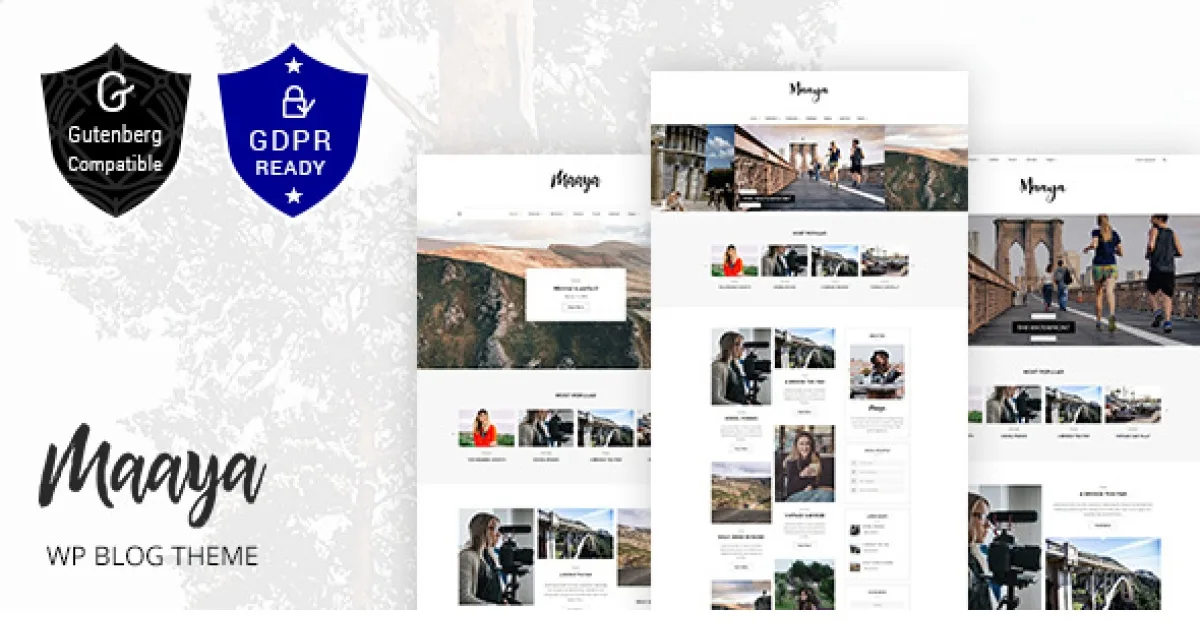
Maaya Travel Blog WordPress Theme: a WordPress blog theme with demo layouts, Gutenberg and Elementor compatibility for travel bloggers and content creators.
- Daily automated updates
- VirusTotal 0/70 clean
- Licensed under GPL
- Secure 256-bit checkout
- Instant direct cloud link
What Is Maaya Travel Blog WordPress Theme?
Maaya Travel Blog WordPress Theme is a WordPress publishing theme, engineered for travel bloggers and content-focused agencies to present itinerary stories, photo journals, and destination guides with structured layouts. It resolves the common bottleneck of travel writing sites: combining image-heavy narrative layouts with readable typography without hand-building templates from scratch. In production, it operates as the active WordPress theme governing template hierarchy rendering across the front end.
Key Features of the Theme
The theme executes through the standard WordPress template hierarchy, dispatching header, archive, and single-post templates that enqueue theme stylesheets and scripts in defined dependency order. Editorial content flows through the block editor and classic structures, while layout options are configured from the theme customizer and per-post settings. Teams building adjacent booking workflows often pair it with WP Travel Engine – Travel Agency Plan + Addons so trip packages and itineraries run through a dedicated plugin rather than theme-level hacks.
Architectural Highlights
- Multiple Demo Layouts: Prebuilt home and archive variations map to distinct template files, letting developers switch blog presentation by activating a demo configuration instead of rewriting markup.
- Image-Forward Story Templates: Single-post and gallery layouts control DOM ordering and featured-image placement, reducing manual HTML adjustments for photo-heavy travel journals.
- Gutenberg and Block Compatibility: Content blocks render within theme-defined container widths, keeping block editor output aligned with theme typography and spacing rules.
- Customizer-Based Configuration: Colors, header variants, and layout preferences persist through WordPress native customizer settings, so no database schema outside the options table is written.
- Responsive Grid and Archive Structures: Post listings use CSS-driven responsive columns that reflow at standard viewport breakpoints without layout shift on mobile devices.
Who Should Use This Theme?
The codebase fits independent travel writers, small editorial teams, and agencies staging content-driven client sites where narrative presentation and media galleries dominate requirements. Developers who want a publishing layer on top of standard WordPress structures, without maintaining custom template code, get the most value. It is not intended for users building full transactional booking platforms from the theme alone; those projects need a dedicated booking engine and, if commerce is added, a WooCommerce-aware stack such as Touriza – Tour Travel Booking WordPress Theme, which already integrates tour management templates.
Compatibility & Runtime Requirements
Runtime constraints follow the standard WordPress server and software stack, with no exotic dependencies beyond the WordPress core environment.
| Engineering Metric | Deployment Specification |
|---|---|
| Base Technology / Framework | WordPress Theme (PHP-based template hierarchy) |
| Runtime / Language Baseline | Standard WordPress Core Environment (PHP/MySQL) |
| Parent Ecosystem Dependency | WordPress 5.x+ block editor and Customizer API |
| Supported Protocols / Data Formats | Native WordPress data handling (post meta, options, media library) |
Real-World Use Cases & Implementation
Three deployment scenarios match this architecture. First, a solo travel blogger can activate a photo-journal demo, import sample content as a structural reference, and replace assets with destination photography, keeping editorial workflow entirely inside the block editor. Second, a content agency staging multiple client blogs can reuse the same theme base across projects, adjusting customizer tokens per client to shorten setup cycles. Third, a destination guide site can pair the theme’s archive layouts with a plugin-managed data layer; when itinerary and booking data must live outside post types, the Travel Agency Plan plugin handles tour packages while the theme renders the narrative shell. In each case, overrides belong in a child theme so template files survive updates.
Frequently Asked Questions
Does the theme include demo content for rapid setup?
Yes, the package ships demo layouts and sample configuration so developers can replicate the preview structure, then replace placeholder media and text with their own travel content before launch.
Can layouts be customized without editing theme files?
Yes, layout, color, and header options are controlled through the native WordPress customizer, while deeper structural changes should be applied through a child theme to keep updates safe.
Does this theme handle tour bookings by itself?
No, it is a content-publishing theme. Booking, pricing, and itinerary management require a companion booking plugin integrated at the plugin layer of the same WordPress installation.